
Finding the right marriage proposal is one of the biggest decisions a person or a family can make. In Pakistan, this decision is not just about two people. It often involves parents, siblings, extended family, and sometimes the whole community. Because of this, the process can feel exciting, stressful, and confusing all at the same time.
This guide explains, in simple words, what really matters when looking for a suitable match. It covers the important factors to think about, common mistakes to avoid, and practical tips that can make the whole journey smoother and safer for everyone involved.

Why This Decision Matters So Much
Marriage is not a short-term choice. It affects daily life, family relationships, finances, and future plans for many years. A rushed decision made only on the basis of a photo or a short introduction can lead to problems later.
That is why taking time, asking the right questions, and involving trusted family members is so important. A good marriage proposal is not just about finding someone quickly. It is about finding someone who is genuinely compatible.
Every family has its own pace and its own comfort level. Some families move quickly once they feel confident about a match. Others prefer a slower process with many conversations before any decision is made. Neither approach is wrong. What matters is that both sides feel respected and unhurried throughout the process.
The Most Important Factors to Consider
There is no single formula that works for everyone, but most families in Pakistan look at a similar set of factors before moving forward with a proposal.
1. Education
Education tells you something about a person’s background, discipline, and interests. It does not tell you everything about their personality, but it can be a useful starting point for a conversation. Some families give it a lot of weight, while others see it as just one factor among many.
2. Family Background
In Pakistan, marriage is often seen as a joining of two families, not just two individuals. Because of this, many people want to understand the values, reputation, and lifestyle of the other family before moving forward. This helps both sides know what to expect after marriage.
3. Age
Age matters differently to different people. Some families prefer a small age gap, while others are more flexible. What matters most is that both sides are honest and comfortable with the age difference, whatever it may be.
4. Profession and Financial Stability
A stable job or a clear career direction can be an important sign of responsibility. However, income alone should never be the only reason to accept or reject a proposal. Shared values and mutual respect matter just as much, if not more.
5. Location
Some families prefer someone from the same city, while others are open to proposals from other cities or even other countries. This is usually a personal or family preference, and there is no right or wrong answer.
6. Personality and Values
This is often the hardest factor to judge quickly, but it may be the most important one. Kindness, honesty, patience, and respect are qualities that matter far more in daily life than a degree or a job title.
The Role of Family in the Process
In many parts of Pakistan, parents and elders play an active role in finding and approving a match. This is not necessarily a bad thing. Experienced family members can sometimes notice red flags that a younger person might miss, especially in the early stages when emotions can cloud judgment.
At the same time, it is healthy for the two individuals getting married to have their own voice in the decision. A good process usually balances family guidance with the personal comfort and consent of both people involved.
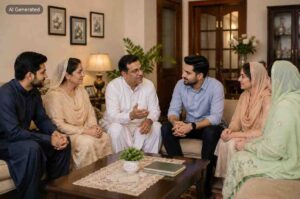
Grandparents and older aunts and uncles often carry a lot of experience from arranging or witnessing many marriages over the years. Listening to their observations, while still keeping an open mind, can add real value to the decision-making process. At the same time, no family member should ever pressure a person into accepting a proposal that does not feel right to them.
How Matchmaking Traditionally Works

Matchmaking in Pakistan generally follows a few common steps, whether it happens through relatives, community networks, or matchmaking services.
Step 1: Defining preferences. Families usually start by discussing what they are looking for in general terms, such as education level, family background, or location.
Step 2: Sharing basic information. Once a potential match is identified, both sides usually exchange simple, general information first, such as age, education, and profession, without sharing sensitive personal details.
Step 3: Initial meeting or conversation. If both sides are interested, a respectful meeting or conversation is arranged, often with family members present, especially in the early stages.
Step 4: Getting to know each other. This stage may include more conversations, sometimes over weeks or months, to understand personality, expectations, and compatibility.
Step 5: Family discussion and decision. Finally, both families discuss the match seriously and decide whether to move forward. Nobody should feel rushed at this stage.
Common Mistakes to Avoid
Many problems in the matchmaking process happen because of a few common mistakes. Being aware of them can save a lot of stress later.
- Rushing the decision. Marriage decisions made too quickly, without enough conversation, often lead to regret later.
- Judging only by photographs. A photo cannot show you someone’s personality, habits, or values.
- Ignoring concerns. If something during the early conversations causes concern, it is worth taking time to understand the situation instead of rushing into a decision.
- Overemphasizing one factor. Focusing only on income or only on looks, while ignoring personality and values, often causes long-term unhappiness.
- Not asking enough questions. Important topics like future plans, family expectations, and lifestyle should be discussed clearly before any final decision.
- Comparing too much. Constantly comparing a proposal to other people’s marriages or to unrealistic expectations can make it hard to appreciate what is actually a good match.
- Avoiding difficult topics. Some families avoid discussing important personal or practical matters out of politeness. However, relevant expectations and concerns should be discussed honestly and respectfully before making a final decision.
Staying Safe: Protecting Your Privacy
Privacy is extremely important during the matchmaking process, and it is something that is often overlooked.
- Never share sensitive personal information, such as your home address, ID card number, or financial details, with someone you have just started talking to.
- Be cautious about sharing personal photographs. Once a photo is shared, it can be difficult to control how it is used.
- Take your time getting to know someone before sharing private contact details.
- If a proposal feels suspicious, dishonest, or pressures you to decide quickly, treat that as a warning sign.
- Verify important claims, such as someone’s job or education, through appropriate and respectful means before making a final decision.
A respectful matchmaking process should allow both people to protect their privacy, safety, and personal comfort.
Marriage Traditions Across Pakistan
Pakistan is a large country with many different cultures, languages, and traditions, and marriage customs can vary quite a bit from one region to another. Understanding these differences can help set realistic expectations, especially when a proposal comes from a different city, province, or background.
Marriage traditions can vary widely across Pakistan. Families in different regions and communities may have their own customs, expectations, and ways of approaching marriage proposals. In larger cities, some families may combine traditional practices with more modern approaches. Because these preferences can differ from family to family, it is better to discuss expectations openly rather than assume that everyone follows the same traditions.
None of these differences make one approach better than another. They simply show why open conversation about expectations, customs, and family traditions is so important early in the process.
Understanding Compatibility Beyond the Basics
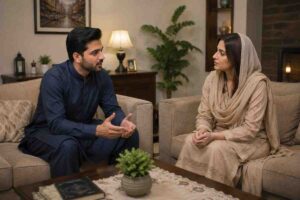
Many people focus heavily on the basic details, such as age, education, and profession, but real compatibility usually goes much deeper. Here are a few areas worth exploring in early conversations.
Daily habits and routines. Someone who is very social and outgoing may or may not be compatible with someone who prefers a quiet, simple lifestyle. Neither style is wrong, but it helps to know what to expect.
Religious and cultural practices. Even within the same religion, families can differ in how strictly certain practices are followed. Discussing this honestly early on can prevent misunderstandings later.
Views on family responsibilities. Expectations about living with parents, supporting extended family, or dividing household responsibilities can vary a lot. It is much better to discuss these topics before marriage than to assume they will work themselves out later.
Communication style. Some people prefer direct conversations, while others are more reserved. Understanding how a person communicates, especially during disagreements, can say a lot about long-term compatibility.
Future goals. Questions about career plans, having children, where to live, and long-term financial goals are worth discussing early, even if they feel like serious topics for a new relationship.
Handling disagreements. No two people agree on everything. It is worth paying attention to how a potential match handles disagreement, whether they listen calmly or become defensive, since this pattern often continues after marriage.
Questions Worth Asking Before Saying Yes
Before a family gives a final answer to a proposal, it can help to pause and reflect on a few important questions.
- Do both individuals feel comfortable, or does either side feel pressured?
- Have basic expectations about lifestyle, family, and future plans been discussed openly?
- Has enough time been given to really get to know the other person, beyond just a few short meetings?
- Are both families reasonably comfortable with each other, even if they are not identical in background?
- Has any information been checked through appropriate and respectful means, rather than simply being taken at face value?
- Does the other person listen and respond respectfully, even when the conversation touches on a sensitive topic?
Taking a moment to honestly answer these questions can prevent a lot of regret later.
The Value of Family Wisdom
While every individual has the right to make their own choices, the experience of parents and elders can still be valuable during this process. Older family members have often seen many different types of relationships over the years, and they may notice patterns or warning signs that someone in the early stages of getting to know a person might overlook.
At the same time, family involvement should support the individual’s comfort and consent, not replace it. A healthy process usually finds a balance between respecting family guidance and honoring the feelings and judgment of the two people who will actually be spending their lives together.
The Role of Technology in Modern Matchmaking
While traditional methods, such as introductions through relatives and family friends, are still very common in Pakistan, more people today are also using other channels to find a suitable match. This includes matchmaking platforms, community networks, and recommendations from trusted family circles.
Technology has made it easier to connect with more potential matches, but it has also introduced new risks. It is important to remember a few basic safety habits when using any online platform for matchmaking purposes.
- Avoid sharing financial information with anyone you meet online, no matter how convincing their story sounds.
- Be cautious of proposals that move unusually fast or avoid video calls or in-person meetings.
- Take screenshots or keep a record of important conversations in case verification is needed later.
- Trust platforms that are transparent about how they protect user information.
Regardless of the method used, the basic principles remain the same: honesty, patience, respect, and involving trusted people in the process.
How to Approach the First Few Conversations
The first few conversations with a potential match can feel a little awkward, and that is completely normal. Here are a few simple tips that can help.
- Be honest about your expectations from the very beginning.
- Ask open questions about family, future plans, and daily routines, instead of only surface-level questions.
- Listen carefully to how the other person talks about their family and values, not just what they say about themselves.
- Avoid making promises or commitments too early, before you have had enough time to understand the person.
- Give yourself permission to say that you need more time, if that is how you honestly feel.
After a Proposal Is Accepted: What Comes Next
Once a proposal is accepted, there are usually a few more steps before the wedding itself, and each one deserves its own attention and care.
The engagement period. This is often a good time to keep learning more about each other, discuss practical matters such as living arrangements, and continue building trust and understanding.
Family introductions. Extended family members from both sides are often introduced during this period. This can help both individuals understand the wider family dynamics they will become part of.
Financial and practical planning. Honest conversations about finances, future living arrangements, and shared responsibilities are much easier to have before the wedding rather than after.
Setting a comfortable pace. There is no need to rush through the engagement period. Taking enough time to prepare, both emotionally and practically, often leads to a smoother start to married life.
Preparing for Life After Marriage
Many people focus so much energy on finding the right proposal that they spend very little time preparing for what comes after. A few simple habits can make the adjustment period much smoother for both partners.
Talk about expectations early. Discuss how household responsibilities, finances, and decisions will be shared, rather than assuming both sides already agree.
Keep communicating with your own family. Staying connected to parents and siblings after marriage, in a healthy and balanced way, can provide valuable support during the adjustment period.
Be patient with each other. Every couple needs time to adjust to shared living, new routines, and a new set of family relationships. Small misunderstandings in the early months are normal and do not necessarily reflect deeper problems.
Make space for both families. Balancing time and attention between two families can be challenging at first. Clear and respectful communication can prevent this from becoming a source of conflict.
A Simple Checklist Before Making a Final Decision
Before finalizing any marriage proposal, it can help to go through a short mental checklist.
- Have both individuals had enough time and enough conversations to feel confident in their decision?
- Have important topics such as family expectations, finances, and future plans been discussed openly?
- Does everyone involved feel that the decision is being made freely, without pressure?
- Have any claims about education, profession, or background been reasonably verified?
- Do both families feel a basic sense of comfort and respect toward each other?
If the answer to most of these questions is yes, it is usually a good sign that the proposal has been considered carefully and responsibly.
Frequently Asked Questions
How long should the matchmaking process usually take? There is no fixed timeline. Some families move faster, while others take several months. What matters most is that both sides feel comfortable and are not being rushed into a decision.
Is it necessary to involve family in the process? It is not strictly necessary, but family involvement is common in Pakistan and can often provide helpful guidance, support, and a sense of security during the process.
What should I do if a proposal feels rushed or pressured? If a proposal feels rushed or uncomfortable, it is reasonable to slow down, ask more questions, involve trusted people, or step back until you feel comfortable with the decision.
Is education the most important factor in a proposal? Education can be helpful information, but personality, values, honesty, and mutual respect are usually far more important for a long and happy marriage.
Should personal photographs be shared publicly? No. Personal photographs should only be shared privately, with people you trust, and only with clear consent from the person in the photograph.
Is it normal to feel nervous during this process? Yes, it is completely normal. Marriage is a major life decision, and feeling a mix of excitement and nervousness is a natural part of the process for most people.
What if the two families have very different backgrounds? Different family backgrounds are not necessarily a problem, as long as both sides are willing to communicate respectfully and understand each other’s expectations and traditions.
Final Thoughts
Finding a suitable marriage proposal takes time, patience, and careful thought. There is no single checklist that guarantees a perfect match, because every person and every family is different. What matters most is honest communication, respect for privacy, involvement of trusted family members, and enough time to truly understand the other person before making such an important decision.
A thoughtful and unhurried approach can help both individuals and their families make a more informed decision about whether a proposal is suitable for them.
